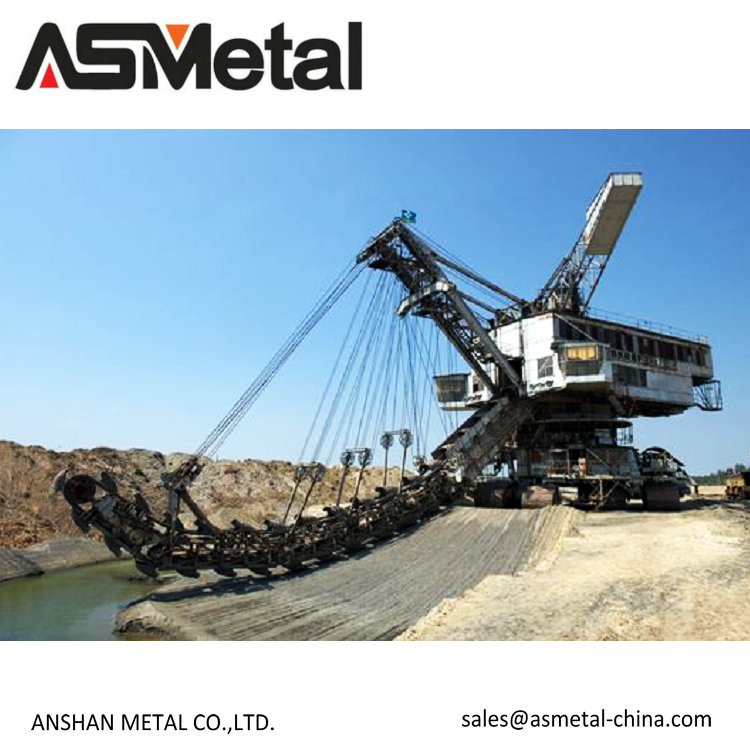
Bucket Chain Excavator (BCE) is a mechanical mining machine that is used for excavating heavy and compact materials, such as clay, hardpan, and frozen ground. It has a long chain of buckets connected to a large wheel that rotates continuously. The buckets scoop up the material and dump it onto a conveyor belt, which moves it to a discharge point.
The application of Bucket Chain Excavator is primarily in large-scale surface mining operations. It is particularly useful for the excavation of minerals such as lignite, phosphate, and iron ore. The BCE is best suited to work in harsh, challenging environments where other excavators may struggle due to their size, weight, and mobility.
The primary advantage of Bucket Chain Excavator is its efficiency in excavating heavy and compact materials. The machine's design allows it to dig deep into soil or rock, even in the presence of obstacles. Additionally, the BCE is relatively less affected by adverse weather conditions, such as rain, snow, or wind and can operate continuously in such conditions.
Another significant advantage of Bucket Chain Excavator is its ability to reach deep depths, making it ideal for large-scale mining operations. With its large size and reach, fewer machines are needed to carry out the same amount of work, which ultimately reduces the cost of mining.
In summary, Bucket Chain Excavator is a powerful mining machine best suited for large-scale mining operations involving the excavation of compact or heavy materials. Its advantages include high productivity, efficiency in tough conditions, and the ability to reach deep depths, ultimately making it an essential piece of equipment in modern mining operations.





 English
  Русский